Unit 1 | Foundational Concept

From Chat to Workflow

從即興對話到工作流程

In the initial phase of GenAI adoption, organizations often treat LLMs as conversational partners. Casual chat is useful for brainstorming and rapid exploration, but business work needs repeatability. This unit shows how to move from one-off conversations to reusable instructions that can support a stable workflow.

在生成式 AI 導入初期,企業常把大型語言模型當成對話夥伴。即興聊天很適合腦力激盪與快速探索,但商業工作需要可重複、可檢查。本單元會帶你把一次性的對話,整理成能支援穩定流程的可重複指令。

The Paradigm Shift

From Casual Experimentation to Operational Repeatability

從隨興探索邁向可重複的標準化作業

The main difference between casual AI use and business-ready AI work lies in input structure and output repeatability. Model capability matters, but stable work also needs clear task roles, context boundaries, steps, and expected formats.

隨興的 AI 使用與企業級應用之間的最大差異,並不在於底層模型的運算能力,而在於輸入結構與輸出結果的可重複性。在 L0 單次即興對話中,使用者以反應式的方法進行問答,導致結果變異極大。而在 L1 可重複指令中,我們將提示詞設計成功能性的樣板——具備明確的角色定義、上下文邊界、步驟指引與預期格式。

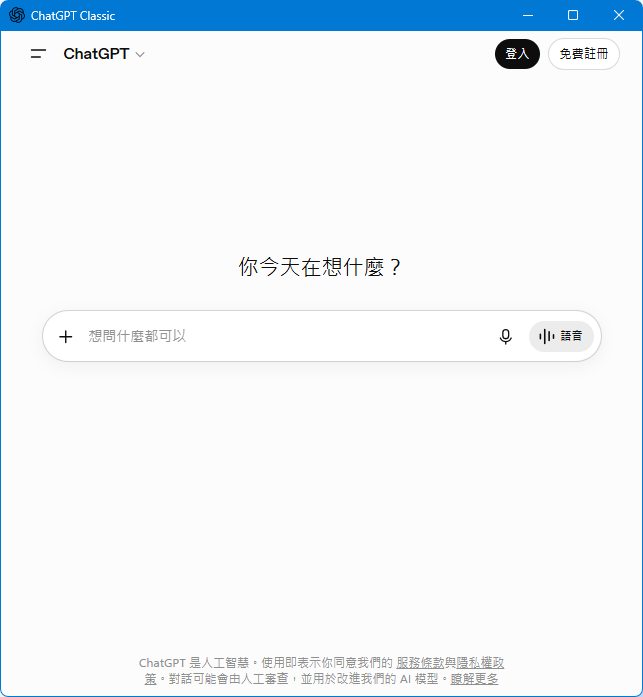
L0 Casual Chat interface
Figure 1.1: L0 Casual Chat (Ad-Hoc Prompting) 圖 1.1:L0 即興對話(單次問答)

The user interacts with a plain chat window without pre-defined boundaries, relying entirely on the model's general knowledge. This approach yields unpredictable answers and lacks repeatability.

使用者在沒有預設邊界的情況下與一般對話視窗互動,完全依賴模型的通用知識。這種方式產出的結果不確定性高,且無法重複複製。

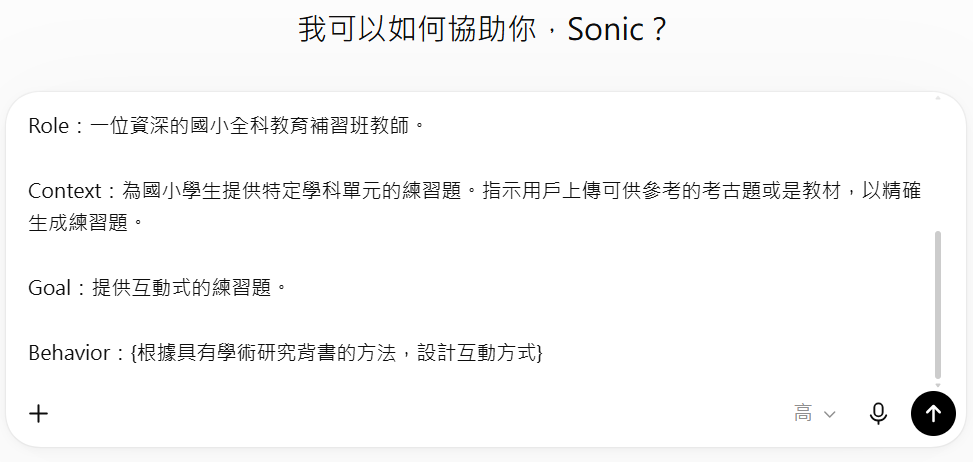
L1 Reusable Prompt interface
Figure 1.2: L1 Reusable Instructions (Structured Prompt) 圖 1.2:L1 可重複指令(結構化提示詞)

The prompt is engineered with systemic roles, structured context, inputs, clear task boundaries, and format expectations. This ensures that different users running the template receive consistent, reliable outputs.

提示詞經過系統化的角色設定、結構化背景、輸入參數、清晰的任務邊界及格式預期設計。這確保不同使用者執行該範本時,能獲得高度一致且可靠的輸出。

Deep Dive: The Shift from "Questions" to "Instructions"

深度解析:從「提問」到「任務指令」的思維轉變

To move from L0 to L1, a manager practices writing "instructions" with more care than ordinary questions. Questions ask the model to pull from its general memory. Instructions define a workspace, narrow the logic, and specify the shape of the output. When instructions use placeholders such as [Insert Raw Customer Feedback], they become reusable team assets.

若要從 L0 邁向 L1,管理者需要練習撰寫「任務指令」,讓提問變成可重複執行的工作說明。提問會要求模型從通用資料中搜尋答案;指令會定義工作空間、限制推理邏輯,並指定輸出的清楚結構。當指令被參數化(例如使用 [在此插入原始客戶回饋] 這類預留欄位),它們就能成為團隊可重複使用的流程資產。

Business Bottlenecks

The Triple Challenge of GenAI under Business Pressure

生成式 AI 在商業營運下的三大失效挑戰

Why do GenAI applications that perform well in small-scale tests often fail during live business use? Real operations add pressure: compliance reviews, automated processing, and customer-facing service levels. Under those conditions, general-purpose models reveal three bottlenecks that need a management plan.

為什麼在小規模測試中表現不錯的 AI 應用,到了真實商業情境常會失準?實際營運會加入合規審查、自動化處理與客戶服務水準等壓力。在這些條件下,通用型模型會暴露出三個需要管理的瓶頸。

1. Hallucination

一、 資訊幻覺

The Mechanism: Large Language Models (LLMs) are auto-regressive text predictors designed to calculate probability. They do not verify truth by default. Under pressure, they may generate confident, fabricated facts, figures, or citations.

運作機制:大型語言模型本質上是自迴歸文字預測器,旨在計算下一個詞的出現機率,而非驗證真偽。在回答壓力下,模型會以極具說服力的口氣編造事實、數據或參考文獻。

Business Risk: Producing false customer insights, nonexistent product specs, or invalid legal precedents that pass initial human reviews but fail during downstream audit checks.

商業風險:產生虛假客戶洞察、不存在的產品規格或無效的法律判例。這些產出可能通過初步的人工檢視,但會在下游的審計稽核中造成重大失誤。

2. Context & Attention Decay

二、 上下文與注意力衰退

The Mechanism: Although modern models boast massive context windows, their internal attention mechanism decays as the conversation history grows. Prompts placed in the middle of long threads are often overlooked (the "lost in the middle" effect).

運作機制:雖然現代模型標榜龐大的上下文視窗,但隨著對話歷史增長,其內部的注意力機制會顯著衰退。放在長對話中段的指示與限制往往會被忽視(即所謂的「迷失在中段」效應)。

Business Risk: The agent gradually ignores critical safety constraints, brand voice rules, or compliance boundaries that were specified at the beginning of the chat session.

商業風險:隨著對話進行,Agent 逐漸忽略了在初期設定的關鍵安全紅線、品牌語氣規範或合規邊界。

3. Output Drift

三、 輸出漂移

The Mechanism: LLM temperature and probability sampling cause variations even under identical inputs. A prompt that formats output perfectly on run 1 may produce altered schemas or missing fields by run 10.

運作機制:大語言模型的溫度設定與隨機機率抽樣,使得即使在完全相同的輸入下,輸出結果仍會有細微變異。第一次執行時格式完美的提示詞,到了第十次可能會漏掉欄位或改變結構。

Business Risk: Minor formatting deviations (e.g., missing brackets in JSON outputs) cause downstream database integrations or automated workflows to fail.

商業風險:細微的格式偏差(如 JSON 格式中遺失括號)會直接導致下游的資料庫串接或自動化工作流程中斷。

Maturity Framework

The L0-L3 Capability Scale for Enterprise AI

企業級 AI 應用能力光譜(L0-L3)

A practical AI strategy starts with an honest view of current capability. The four maturity levels below help you locate where your team is today and choose a realistic next step.

務實的 AI 策略,從誠實盤點團隊目前能力開始。以下四個成熟度層級,能協助你判斷團隊現在的位置,並選擇下一步可行的升級路徑。

  • Level 0: Casual Exploration (L0: Single-Turn Chat) Level 0:單次即興發想(隨興對話)

    Characteristics: Individual users interact with general public models via standard chat windows (e.g., free ChatGPT). Prompts are short, ad-hoc, and highly conversational. The model answers using its pre-trained global weights.

    應用特徵:個別同仁透過標準的對話視窗與公有雲模型互動(如免費版 ChatGPT)。提示詞簡短、即興且口語化。模型完全依賴預訓練時的權重進行回答。

    Limitation: Output variability is extremely high; prompt instructions cannot be shared, versioned, or integrated into business systems.

    痛點局限:產出變異度極高;提示詞無法被團隊共享、進行版本控制,亦無法整合至商業流程中。

  • Level 1: Reusable Instructions (L1: Structured Prompting) Level 1:可重複任務指令(結構提示)

    Characteristics: Tasks are designed as repeatable templates containing system roles, explicit context boundaries, procedural steps, and specific output format rules. These templates can be shared across the team.

    應用特徵:任務被設計為可重複使用的範本,包含系統角色設定、明確的背景邊界、逐步的執行步驟與具體的格式輸出規範。範本可在團隊內部共享。

    Limitation: The model still relies on its internal training data for facts, making it vulnerable to hallucination when referencing specialized or dynamic company info.

    痛點局限:模型仍依賴其內部預訓練的記憶來回答事實,在面對企業內部專有或動態更新的資訊時,依然容易產生幻覺。

  • Level 2: Grounded Workflows & Skills (L2: Knowledge Integration) Level 2:錨定工作流與核心技能(知識庫串聯)

    Characteristics: The model's reasoning is bound directly to external data sources (e.g., standard operating procedures, project files, product manuals). The model uses provided files as its primary basis for parsing and summarizing information. Tools like NotebookLM or ChatGPT Projects are deployed.

    應用特徵:模型的推理過程直接與外部資料源(如標準作業程序、專案檔案、產品手冊)進行綁定。模型此時以提供文件為主要依據,扮演解析與摘要編譯器。此階段會導入如 NotebookLM 或 ChatGPT Projects 等工具。

    Advantage: Drastically reduces hallucination because the AI is restricted to referencing the uploaded knowledge base, verifying statements with direct source citations.

    應用優勢:顯著降低資訊幻覺,因為 AI 被限定只能參考上傳的知識庫,並可透過行內引用直接驗證其說法的出處。

  • Level 3: Autonomous Agent Platforms (L3: System Orchestration) Level 3:自主型 Agent 商業平台(系統化運行)

    Characteristics: Multiple specialized agents coordinate complex business processes. The platform handles dynamic task routing, triggers API actions in external software (e.g., sending emails, updating CRM), logs compliance histories in databases, and enforces human-in-the-loop validation checkpoints before client-facing execution.

    應用特徵:多個專門的 AI Agent 共同協調複雜的商業流程。平台負責動態任務分流、透過 API 觸發外部軟體動作(如發送電子郵件、更新 CRM 系統)、在資料庫中記錄合規軌跡,並在最終面向客戶的執行前設置人工審核(Human-in-the-loop)關口。

    Advantage: Full automation with strict risk controls, traceable logs, and predictable business value measurement.

    應用優勢:實現高度自動化,同時具備嚴格的風險管控、可追溯的歷程紀錄,以及可預測的商業價值衡量。
The Remedy

Bounding the Machine: Source-Grounding and NotebookLM

約束機器的範圍:來源錨定與 NotebookLM 實務

To mitigate the triple challenge, business platforms rely on a technique called "source-grounding" (or Retrieval-Augmented Generation, RAG). By restricting the LLM's workspace to a verified corpus of documents, we prevent the model from searching its own memory for factual data. Instead, the model behaves like a student taking an open-book exam, referencing only the manuals placed on the desk.

為克服三大失效挑戰,商業平台高度仰賴「來源錨定」(或稱檢索增強生成,RAG)技術。藉由將大語言模型的工作空間限制在經確認的文件庫中,我們能阻止模型從其自身的訓練記憶中搜尋事實數據。相反地,模型此時就像一名參加「開卷考試」的學生,僅參考桌上提供的手冊來作答。

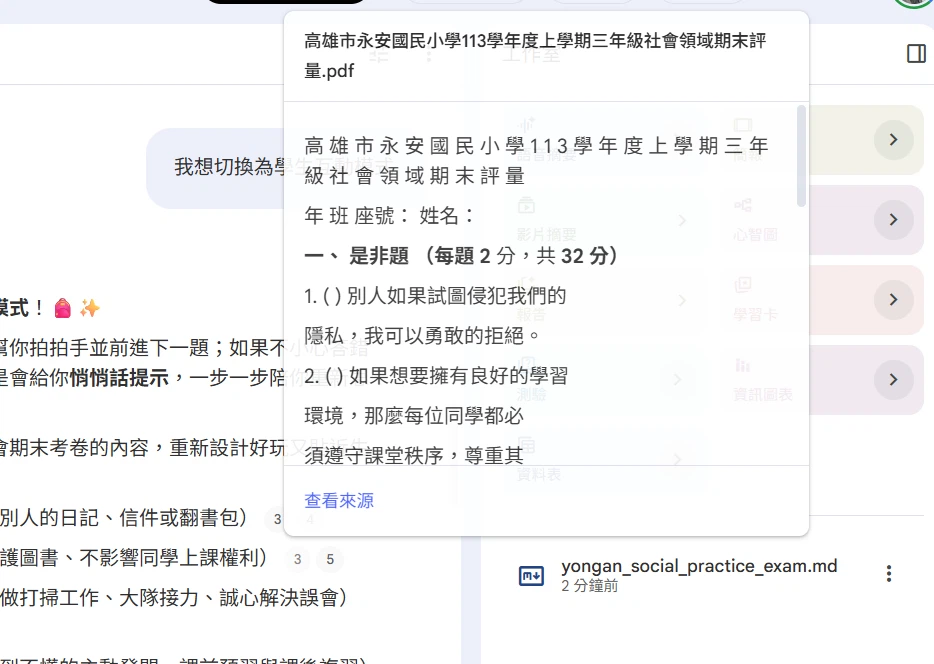
NotebookLM source-grounded answers and citations
Figure 1.3: NotebookLM Source-Grounded Q&A 圖 1.3:NotebookLM 來源錨定問答

In this setup, the model's responses are tied directly to the uploaded source files. Each output features clickable numbers (citations) that point directly to the exact paragraph in the source document, providing verifiable proof and eliminating hallucination risks.

在此設定下,模型的所有回答皆與上傳的來源檔案直接綁定。每個輸出均包含可點擊的編號(行內引用),直接指向來源文件的確切段落,提供可驗證的證據並杜絕資訊幻覺風險。

Why Grounding is Essential for Business Workflows

為什麼來源錨定對商業工作流至關重要

Without grounding, an AI model acts as a "creative writer" that creates plausible narratives. With grounding, the model functions as a "precision compiler" that translates raw source text into structured outputs according to strict guidelines. For managers, this shifts the focus from writing clever prompt patterns to organizing high-quality source documents (the "source of truth").

在缺乏來源錨定的情況下,AI 模型就像一位擅長撰寫合理故事的「創意作家」。而在有來源錨定的支援下,模型則轉化為「精準編譯器」,根據嚴格的指南將原始來源文字翻譯成結構化輸出。對管理者而言,這將工作重心從鑽研巧妙的提示詞話術,轉移到整理高品質的內部參考文件(建立「單一事實來源」)。